


Economic - Markets
U.S. cheese and butter are now among the cheapest in the world — and it’s all Greek yogurt’s fault
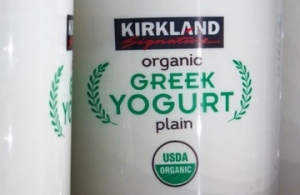
Greek yogurt and cottage cheese are changing the economics of milk production in the United States, as surging demand for protein-rich foods leaves behind a glut of other dairy products.
"U.S. prices are among the lowest in the world," Rabobank senior dairy analyst Lucas Fuess told Dairy Herd. "Foreign buyers are coming to us for that supply."
Butter in particular averaged $3.96 per pound in September, down almost $1 from a year earlier — bucking the trend at the grocery store where prices only ever seem to go up.
Why more Greek yogurt means cheaper cheese
Greek yogurt, which contains three times as much protein as traditional yogurt, has become increasingly popular. Cottage cheese is enjoying a similar resurgence, with sales climbing more than 14%. Demand for protein shakes and whey products is up among fitness enthusiasts.
"People want to live longer. They want to build muscle. They want to be healthy," said Michael Dykes, president and CEO of the International Dairy Foods Association.
To meet that demand, dairy farmers are increasingly breeding cows to produce milk with more protein and butterfat.
Fuess reports that U.S. milk production grew 18% between 2011 and 2025 — but protein output rose 27.7% and butterfat production surged 34.6%.
"What's in the milk increasingly matters more than how much milk is produced," said Fuess.
The leftover milk ingredients from making high-value protein-rich foods can still be used for butter and cheese, but producers have needed to find new markets for the resulting oversupply.
As a result, exports have become an increasingly important part of the industry. In the mid-1990s, the U.S. exported just 2% to 3% of its milk production, Dairy Herd reports. Today, that figure stands at 17%, with annual dairy exports nearing $10 billion.
Lower prices are a welcome break at home, where other grocery staples have become much more expensive.
Fruits and vegetables are up 3.7% over the 12 months through September, nonalcoholic beverages are up 3.8% and cereals and bakery products are up 2.1%.
Ground beef averaged $6.79 per pound in September, up 7.4% from a year earlier and 85% over the past decade. With meat prices still elevated, cheaper dairy products could give Americans a more affordable way to meet their protein needs.
Study author Adam Drewnowski of the University of Washington's Center for Public Health Nutrition has called on the USDA to recognize dairy products alongside meat, poultry, seafood and plant-based foods as sources of high-quality protein.
How long prices will stay low
As Dairy Herd Management reports, the U.S. dairy industry has announced $14.4 billion in new facilities and expansions across 77 projects spanning 21 states, with much of the investment directed toward high-protein products.
U.S. dairy herds also remain near multi-decade highs at 9.71 million cows. Mike North, president of dairy market advisory Ever.Ag, said strong demand for beef-dairy crossbreeds is giving farmers another financial incentive to maintain larger herds.
The USDA expects the average price farmers receive for milk to remain largely unchanged through the rest of 2026, followed by only a modest recovery in 2027.